President
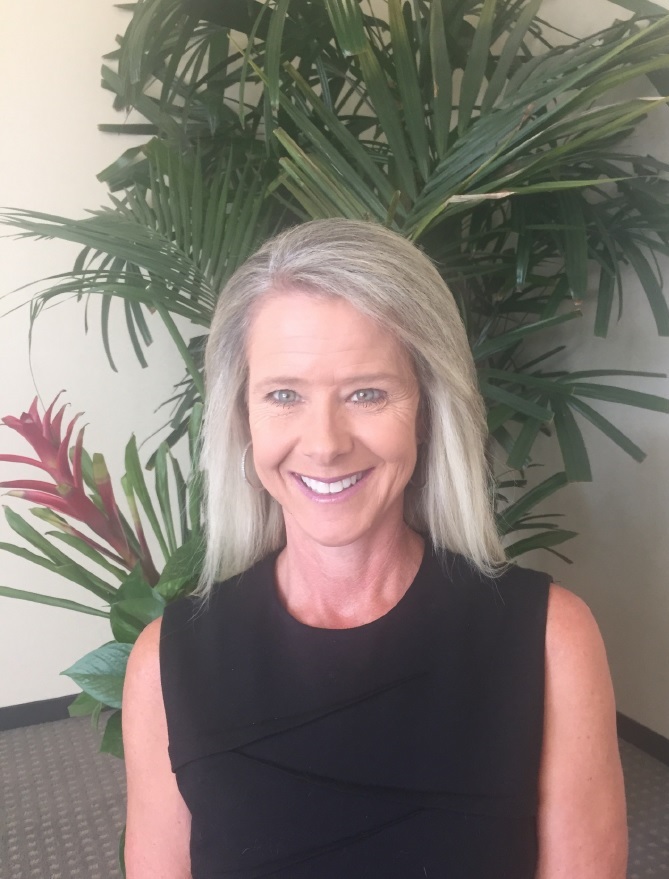
President – Dr. Robin Zasio, Psy. D., LCSW – is a Licensed Clinical Psychologist and Licensed Clinical Social Worker who has been specializing in treating OCD and anxiety disorders for the past 20 years. Utilizing the front line treatments of Cognitive Behavioral Therapy and Exposure and Response Prevention, she developed The Anxiety Treatment Center of Sacramento, Roseville, and El Dorado Hills. With rapid growth, she then developed The Cognitive Behavior Therapy Center and The Compulsive Hoarding Center, all located in Sacramento, CA, which she currently owns and directs. Dr. Zasio continues to maintain a private practice providing individual, group and family therapy services, in addition to supervising interns who are learning to treat anxiety disorders. Dr. Zasio was the President of the Sacramento Valley Psychological Association from 2003-2005, and currently serves as a Board Member at Large. She serves on the Scientific Advisory Board, Clinical Advisory Board, and the Speakers Bureau for the International Obsessive Compulsive Disorder Foundation (IOCDF), and is a faculty member for their Behavior Therapy Training Institute (BTTI) traveling the Nation providing education to clinicians who are learning to treat anxiety disorders.
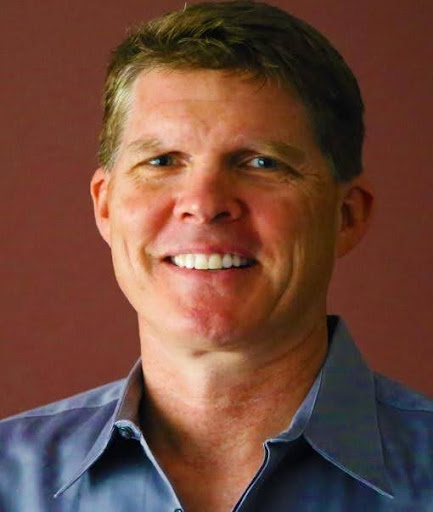
Christopher’s professional experience extends far beyond the walls of his therapy practice. He is the former Deputy Director of the El Dorado County Public Health Division, Health & Human Services Agency, where he managed county-wide public health programs, secured nearly 3.5 million dollars in grant funding to serve his community, and started what is now the largest primary care clinic in the county, providing services to low-income individuals and families. In addition, Christopher has worked directly within the vulnerable populations’ community, specifically the frail elderly and persons with serious mental illness, legally acting on their behalf due to their inability to make their own decisions. He has also worked with delinquent youth in high-risk juvenile detention centers and individuals struggling to secure stable employment while overcoming obstacles such as health, housing, and childcare. In his transition into the mental health field, Christopher worked in various settings including psychiatric institutions, board and care homes and independent living facilities. In addition to being a therapist, he is the founder and director of the El Dorado County Coalition for Overdose Prevention and Education (COPE)where he works with health care organizations, community-based non-profits, public leaders, concerned
MEDIA Board Member
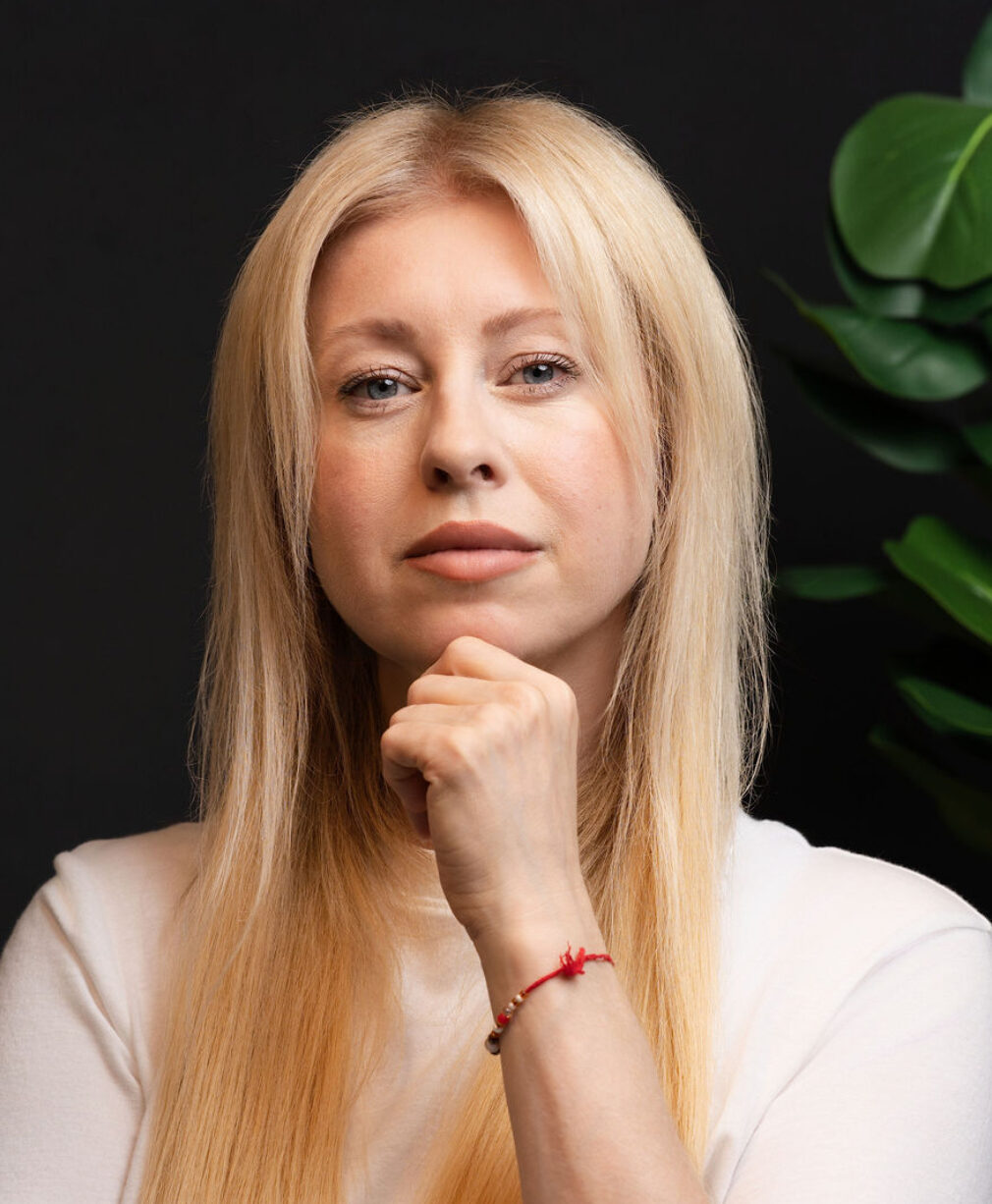
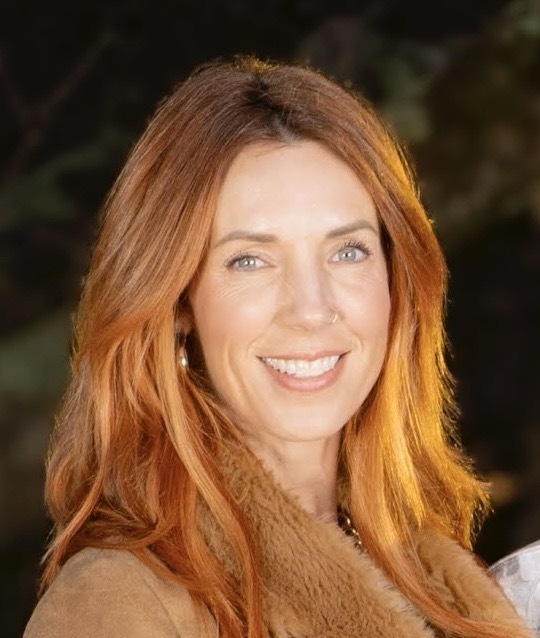
Kristina Orlova is a Licensed Marriage and Family Therapist specializing in OCD, anxiety, and related disorders — and someone who knows what it’s like to live with OCD herself. That lived experience shapes everything about how she works: the way she explains things, the way she sits with clients, and the reason she keeps showing up for this community.
Since founding her private practice in 2016, Kristina has focused exclusively on OCD and anxiety, working with individuals navigating all forms of the disorder — including relationship OCD, morality OCD, and “just right” OCD — using evidence-based approaches including Exposure and Response Prevention (ERP) and Inference-Based CBT (ICBT). Her practice, KOR Results Family Therapy Inc., is a telehealth-based practice offering individual therapy, coaching, and one-, two-, and three-week Intensive Outpatient Programs (IOPs) designed to meet clients wherever they are in their journey. She has presented at both the International OCD Foundation (IOCDF) and the Anxiety and Depression Association of America (ADAA).
Kristina is also the host of The OCD Whisperer Podcast — a top-ranked mental health podcast built on honest conversations about OCD, anxiety, and the fears that quietly run people’s lives. Born in Ukraine and raised in the United States, she brings a perspective that is both clinically grounded and deeply personal.
She joined the OCD Sacramento board because she believes that community, education, and honest conversations about OCD are just as essential as good treatment — and because she knows firsthand what it means to need all three.